Master Homemade Tonkotsu: The Art of Batch Broth for Easy Ramen Feasts
There are few culinary experiences as profoundly comforting and utterly satisfying as a perfectly crafted bowl of Tonkotsu Ramen. That milky, savory broth, the springy noodles, the perfectly cooked egg, and the crispy chashu pork – it’s a symphony of textures and flavors that transcends mere sustenance. For many, Tonkotsu Ramen isn't just food; it's an ultimate comfort, a warm embrace in a bowl, and a journey to the heart of Japanese culinary tradition. While the allure of a ramen shop bowl is undeniable, imagine replicating that magic in your own kitchen, creating a deeply flavorful, authentic Tonkotsu Ramen experience whenever the craving strikes.
The secret to unlocking this homemade dream lies in mastering the broth – the soul of any Tonkotsu dish. And for those who appreciate both quality and convenience, the ultimate strategy is batch cooking. Yes, preparing a truly authentic Tonkotsu broth from scratch is a labor of love that demands time and patience, often stretching over 24 to 36 hours. But here's the game-changer: you only have to do it once every few months. By dedicating a weekend to creating a colossal batch, you can stock your freezer with enough rich, gelatinous Tonkotsu broth to fuel countless delicious, lightning-fast ramen meals.
This comprehensive guide will walk you through the journey of preparing your own master batch of Tonkotsu broth. We'll demystify the process, highlight key techniques, and reveal how this initial investment of time pays dividends in future weeks and months, turning a gourmet meal into an easy, weeknight delight.
The Undeniable Allure of Tonkotsu Ramen
Originating from Fukuoka on Japan's Kyushu island, Tonkotsu ramen has captivated palates worldwide with its distinctive characteristics. Unlike its lighter counterparts, such as Shoyu (soy sauce-based) or Shio (salt-based) ramen, Tonkotsu ramen is defined by its opaque, rich, and creamy pork bone broth. This luxurious texture and profound umami come from hours, sometimes days, of simmering pork bones at a rolling boil, causing the collagen and marrow to emulsify into the water.
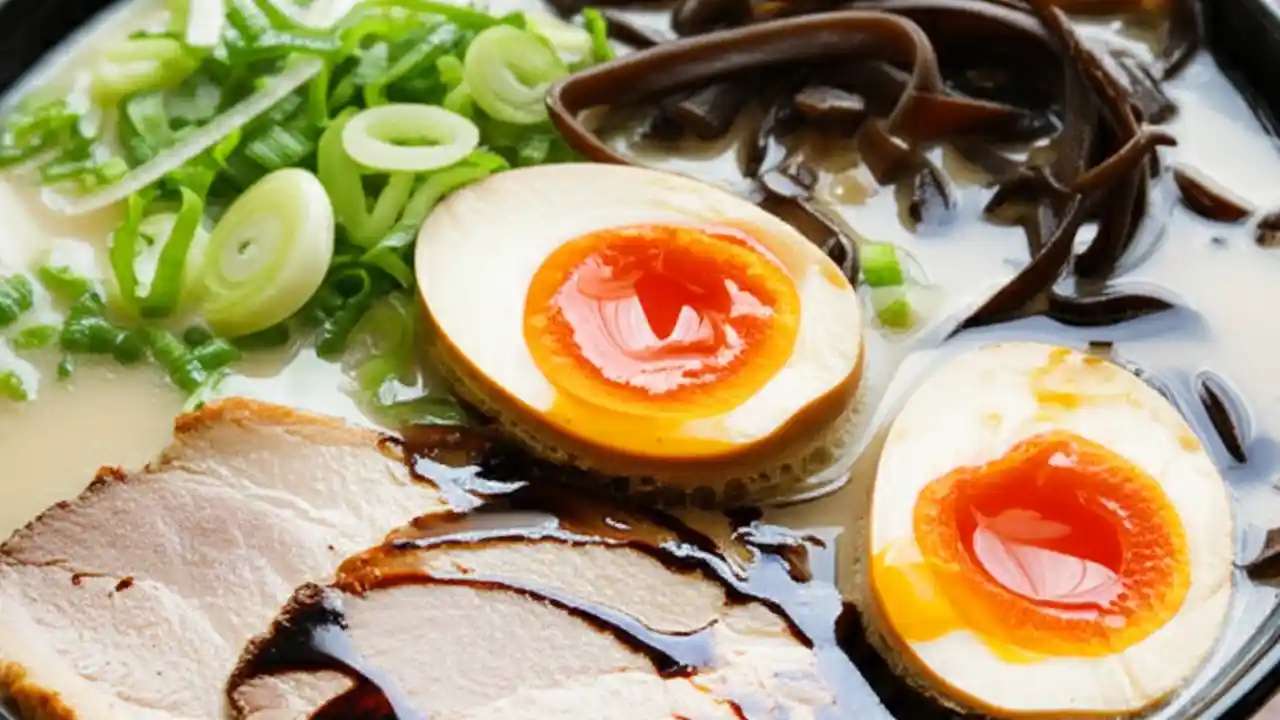
It's more than just a meal; it's an experience. Each bowl is a canvas for personalization, allowing you to tailor toppings to your exact preference. From spicy chili oil and crunchy wood ear mushrooms to vibrant green scallions, sweet roasted corn, and classic pink-and-white narutomaki (fish cake), the possibilities are endless. It's truly like a "taco in a bowl," as one ramen enthusiast perfectly described it, inviting you to experiment and perfect your signature bowl every single time.
While often associated with chilly evenings, providing unparalleled warmth and comfort, Tonkotsu ramen is savored year-round in Japan and beyond. Its deep flavors offer a complex yet comforting embrace, making it a beloved staple for both seasoned ramen enthusiasts and those trying it for the first time.
Crafting the Heart of the Bowl: The Authentic Tonkotsu Broth
The magic of Tonkotsu ramen undeniably lies in its broth. Achieving that signature milky white appearance and profound depth of flavor requires dedication, but it’s a process that is more hands-off than you might imagine. While it certainly isn't a "30-minute meal" (for a quick fix, check out our Quick Tonkotsu Ramen Recipe: Rich Broth in 30 Minutes), the long cooking time is largely passive, allowing you to go about your day while the stove does the heavy lifting.
Key Ingredients for Your Master Broth:
- Pork Bones: This is non-negotiable. A mix of pork knuckles (femur bones) and trotters (pork feet) is ideal. Knuckles provide marrow and bone flavor, while trotters are loaded with collagen, crucial for the broth's creamy texture and eventual "jiggly jello" consistency when cooled.
- Aromatics: While some traditionalists opt for pure pork flavor, a subtle addition of ginger, garlic, and the green parts of spring onions can add complexity without overpowering.
- Water: Lots of it! Enough to cover your bones generously.
The Step-by-Step Broth Journey:
- Pre-Preparation – The Blanching Ritual: This crucial first step ensures a clean, pure broth. Submerge your pork bones in cold water, bring to a rolling boil, and cook for 15-20 minutes. You'll see a lot of scum rise to the surface. Drain the bones, rinse them thoroughly under cold running water, and scrub away any remaining impurities or blood clots. This significantly reduces undesirable "porkiness" and off-flavors.
- The Long Simmer: Place the cleaned bones back into your largest stockpot. Add fresh cold water, ensuring the bones are fully submerged by at least an inch or two. Add your chosen aromatics.
- Boil and Maintain: Bring the pot to a vigorous rolling boil. This high heat is essential for breaking down the collagen and marrow, encouraging emulsification. Once boiling, reduce the heat slightly to maintain a strong, consistent simmer – a constant bubbling rather than a gentle simmer. Do not cover the pot entirely, as this can trap impurities.
- Skim and Stir: Throughout the initial hours, continue to skim off any foam or scum that rises to the surface. While blanching removes most, some will still appear. Stir occasionally to prevent bones from sticking and ensure even cooking.
- The Marathon: This is where the time commitment comes in. Allow the broth to simmer continuously for anywhere from 12 to 36 hours. The longer it simmers, the richer and more opaque it becomes. You'll need to replenish the water periodically, always adding hot water to avoid shocking the bones and slowing the process.
- The Transformation: As hours turn into a day, you'll witness the water transforming into a milky, opaque liquid. The bones will start to disintegrate, and the broth will thicken.
- Final Strain: Once you're satisfied with the richness and color, remove all bones and aromatics from the pot. Strain the broth through a fine-mesh sieve, ideally lined with cheesecloth, to remove any small bone fragments or impurities. You're left with a beautiful, creamy Tonkotsu broth.
Why Batch Broth is Your Ramen Superpower
Making Tonkotsu broth from scratch is a significant undertaking, but the benefits of doing it in a large batch are enormous:
- Unmatched Authenticity: No shortcuts can truly replicate the depth of flavor achieved through slow-simmered pork bones. Batch cooking means you never compromise on quality.
- Ultimate Convenience: Imagine this: a craving hits, you pull a frozen container of broth from your freezer, boil some fresh ramen noodles, add your favorite toppings, and in 15 minutes or less, you have a restaurant-quality meal. It transforms Tonkotsu ramen from an elaborate weekend project into an easy weeknight dinner.
- Cost-Effective: Buying individual ingredients in bulk for one large batch is often more economical than making smaller quantities repeatedly, or certainly cheaper than frequenting ramen restaurants.
- Freeze for Future Feasts: Once cooled, your homemade Tonkotsu broth will set into a glorious, jiggly, gelatinous mass. This is a sign of success and high collagen content! Portion it into freezer-safe containers or bags and freeze. It will easily last for 2-3 months, providing about 30 huge servings from a truly large pot.
- Reward for Your Efforts: There’s a profound sense of accomplishment that comes with creating something so delicious and complex from scratch. It's a culinary challenge well met, and the reward is a freezer full of pure comfort.
Beyond the Broth: Completing Your Homemade Ramen Bowl
With your master Tonkotsu broth ready, building an incredible ramen bowl is the easy and fun part:
- Noodles: Invest in good quality fresh or dried ramen noodles. Cook them perfectly al dente.
- Tare (Seasoning Base): While the broth is the soul, Tare is the personality. A good tare (often shio/salt, shoyu/soy sauce, or miso-based) is concentrated seasoning added to the bowl before the hot broth, providing a crucial layer of flavor.
- Aroma Oil: A drizzle of a flavored oil (like garlic oil or chili oil) adds another dimension of richness and fragrance.
- Toppings: This is where you make it your own!
- Chashu: Slow-braised pork belly, thinly sliced, is a classic.
- Ajitama: Marinated soft-boiled eggs with a jammy yolk are essential.
- Scallions: Thinly sliced green onions for freshness and bite.
- Nori: Sheets of dried seaweed for a briny umami kick.
- Wood Ear Mushrooms: Sliced kikurage mushrooms add a delightful crunchy texture.
- Other Favorites: Bean sprouts, bamboo shoots (menma), fish cake, spicy chili threads, or even roasted corn can elevate your bowl.
Conclusion
Embarking on the journey to master homemade Tonkotsu broth, especially through batch cooking, is a rewarding culinary adventure. It demands time and patience, but the outcome—a freezer stocked with authentic, rich, and creamy broth—is priceless. It transforms the dream of restaurant-quality Tonkotsu Ramen into an achievable, convenient reality for any day of the week. So, gather your pork bones, clear your schedule for a weekend of passive simmering, and prepare to reward yourself with months of slurpy, comforting goodness. Your future self, craving a quick yet luxurious meal, will thank you.
